Sleep, Cortisol and Nutrition
How these three forces interact within us — and what we can do to find balance
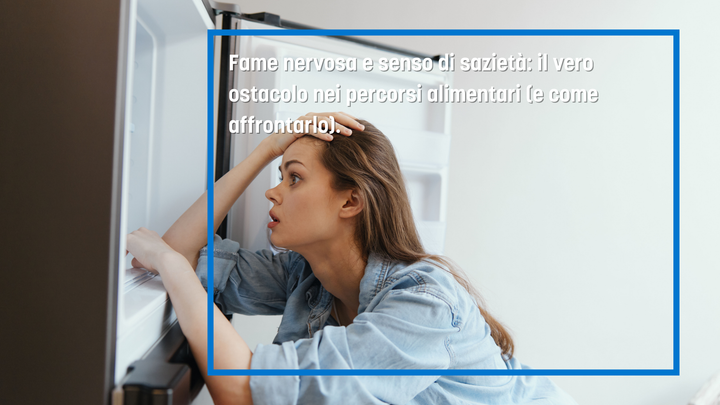
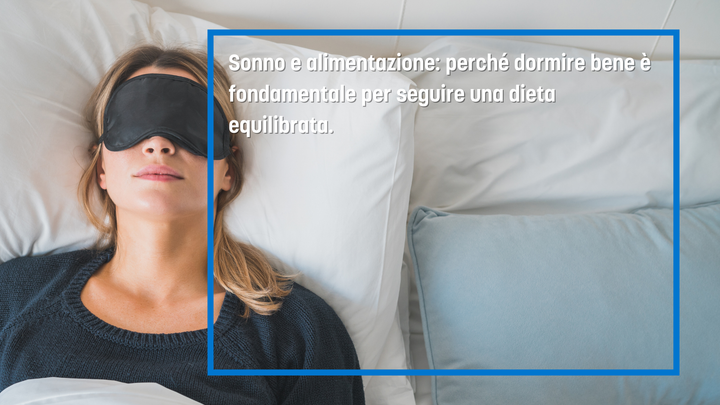
Have you ever woken up in the morning already tired? Or have you noticed that after a night of poor sleep, you end up eating more than usual, almost always opting for sweet or heavy foods? It's not a matter of willpower. It's your body following a precise logic — and at the center of that logic is a small but very powerful player: cortisol.
In this article, we explore how sleep, cortisol, and nutrition form a closely connected system, where each element influences the other two. Understanding how this triangle works can change the way you take care of yourself.
Cortisol: not just the "stress hormone"
Cortisol is often described negatively, as if it were something to be eliminated. In reality, it is an essential hormone, produced by the adrenal glands, which performs many functions: it regulates energy, manages inflammation, supports the immune system and — something that concerns us very closely — governs our wake-sleep cycle.
Under normal conditions, cortisol follows a well-defined rhythm: it peaks in the morning, helping us wake up and be active, and gradually decreases throughout the day, reaching its lowest point in the evening hours to allow us to fall asleep.
The problem isn't having cortisol. The problem is having too much of it, at the wrong time. When we are chronically stressed — due to work, worries, phone screens before bed, or irregular schedules — this rhythm is altered. Cortisol remains high even in the evening, when it should instead decrease. And this is where a domino effect begins.
How poor sleep alters everything else
When we sleep poorly, or too little, cortisol tends to increase further the next day. The body, in the absence of adequate rest, interprets fatigue as a state of "alert" and activates emergency defenses — including, precisely, cortisol production.
But that's not all. A night of insufficient sleep also alters two other key hormones related to appetite: leptin (which signals satiety) and ghrelin (which stimulates hunger). With little sleep, leptin drops and ghrelin rises: the result is that the next day we are hungrier, feel less full, and have a strong attraction to foods rich in sugar and fat.
In summary: sleeping too little leads to high cortisol, more hunger, less control over food choices, an unbalanced diet — and further compromised sleep quality. A self-perpetuating vicious cycle, but one that can be broken.
Observational studies show that those who sleep less than six hours a night tend to have higher body mass indexes and an increased risk of developing insulin resistance — not due to a lack of discipline, but because of these automatic hormonal mechanisms.
Nutrition that disturbs sleep
The link also works in the opposite direction: what we eat — and especially when we eat it — has a direct impact on the quality of our rest.
A very rich dinner, particularly one high in saturated fats and refined carbohydrates, activates digestive processes precisely during the hours when the body should be slowing down. This requires energy, raises internal body temperature, and can disturb the deeper stages of sleep.
Caffeine is another variable not to be underestimated: its stimulating effect can last up to 6-8 hours in many people's bodies. An early afternoon coffee might still be active at 10 PM. Even alcohol, often perceived as a sleep aid, actually reduces REM phases — the most important for mental and emotional recovery — leaving us awake in the middle of the night.
However, there are foods that naturally promote relaxation. Those rich in tryptophan — like bananas, eggs, dairy products, pumpkin seeds, and legumes — provide the brain with the raw material to produce serotonin and, subsequently, melatonin: the key sleep hormone. Magnesium, found in nuts, spinach, dark chocolate, and whole grains, has a muscle-relaxing effect and helps calm the nervous system.
What we can do: concrete habits
The good news is that breaking this vicious cycle doesn't require radical solutions. Small adjustments to daily routines can have a surprisingly cumulative effect:
- Dine at least 2-3 hours before bed, preferring light and balanced meals.
- Avoid caffeine after 2 PM, especially if you are sensitive to its effects.
- Reduce exposure to bright screens in the hour before sleep: blue light inhibits melatonin production.
- Create an evening ritual: even just 15 minutes of reading, breathing, or stretching sends a clear signal to the nervous system that it's time to slow down.
- Maintain regular sleep times, even on weekends: irregularity is one of the main destabilizers of the circadian rhythm.
- Include magnesium and tryptophan-rich foods in your diet, especially in the evening hours.
- Practice stress management techniques during the day: even a short outdoor walk lowers cortisol.
The support of food supplements
When habits alone are not enough — or when going through a period of high stress, seasonal changes, or jet lag — food supplements can offer targeted and complementary support. It is important to choose products formulated with ingredients whose effectiveness is supported by research, and to use them consciously as a support tool, not as the sole solution.
Plas Sonno is a supplement formulated to act on multiple levels simultaneously, thanks to the combination of three key ingredients:
- Melatonin — the sleep hormone par excellence. In low doses, it helps synchronize the circadian rhythm, facilitating falling asleep and improving overall rest quality. Particularly useful in cases of difficulty falling asleep or during periods of stress.
- Magnesium — fundamental for the nervous system and muscle function. It helps reduce evening physical and mental tension, promotes relaxation, and supports deeper sleep. Its deficiency is very common in the modern population.
- Griffonia simplicifolia (5-HTP) — an African plant rich in 5-hydroxytryptophan, a direct precursor to serotonin and therefore melatonin. It supports mood, reduces evening anxiety, and promotes a natural and gradual transition to sleep.
Together, these three ingredients support the natural production of melatonin, lower nervous tension, and help the sleep-wake rhythm regain its cyclicity — a complementary and gradual approach, designed for the long term.
Food supplements are not medicines and do not replace a varied and balanced diet or a healthy lifestyle. It is advisable to consult a doctor or pharmacist before use, especially in cases of pre-existing conditions, pregnancy, or ongoing pharmacological therapies.
Conclusion: small gestures, big difference
Sleep, cortisol, and nutrition are not three separate problems to be tackled one at a time. They are a system. Acting on one means influencing the other two — for better or worse.
The key is to take care of the body's natural rhythm: respecting schedules, eating mindfully, managing daily stress, and, when necessary, supporting the body with carefully formulated supplements. It's not about perfection. It's about direction. Every evening you take a few minutes to create the right conditions for sleep, you are investing in your health tomorrow.
Sleep is not a waste of time. It is the most valuable maintenance you can do for your body and mind.