A vacation means relaxation, changes of pace, and often, changes in diet. You eat out more often, try new dishes, dine later, and snack differently than usual. All of this can be a pleasure for the palate, but a challenge for the gut.
Between bloating, slow digestion, irregularity, or intestinal dysbiosis, it's normal to feel a bit "out of sorts." In these cases, there's an ally that's still not widely known but very useful: postbiotics.
What happens to our gut when we change our diet?
Our gut microbiota, i.e. the collection of microorganisms that inhabit the intestines, is very sensitive to everything we eat. Suddenly changing the times, quality, and composition of meals can:
-
alter the intestinal flora;
-
slow down or speed up transit;
-
promote bloating, fermentation, or constipation;
-
affect mood and energy levels.
This is why it's important to prepare or protect your gut when facing periods of dietary change, such as holidays.
What are postbiotics?
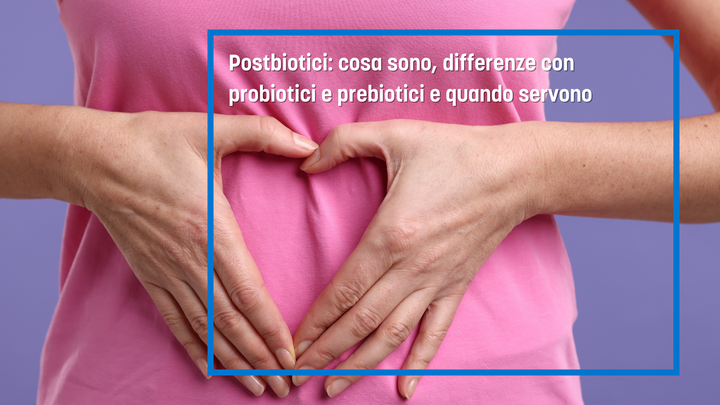
Postbiotics are products of probiotic activity (the "good bacteria"). Unlike probiotics, which are live microorganisms, postbiotics are bioactive compounds that are already produced and ready to use, including:
-
short-chain fatty acids;
-
enzymes;
-
peptides;
-
metabolites useful for gut balance.
In practice, it's like getting only the best of the probiotics' work, without having to wait for them to act.
How do postbiotics work?
Once taken, postbiotics:
-
help to strengthen the intestinal barrier;
-
nourish intestinal cells;
-
modulate the inflammatory response;
-
counteract "bad" bacteria and promote an balanced intestinal environment.