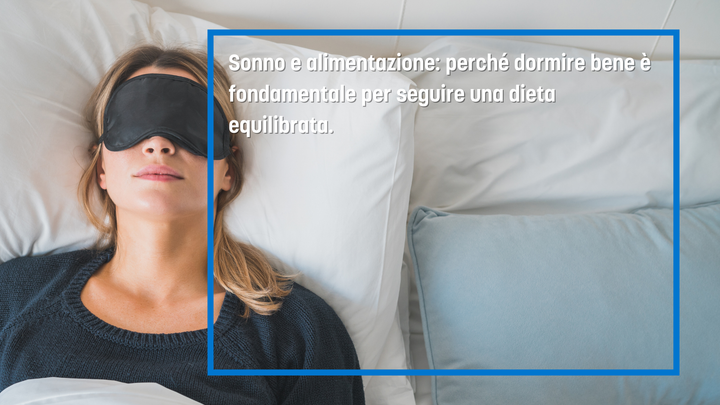
Sleeping well is not just a habit: it is a biological necessity.
During sleep, the body regenerates, the brain consolidates memory, and the immune system strengthens. But when sleep is disturbed — perhaps by stress, hectic rhythms, or bad habits — the entire daily balance is compromised.
When sleep quality is poor, everything suffers
Just a few nights of interrupted or non-restorative sleep are enough to feel the effects:
-
decreased concentration and memory,
-
increased irritability,
-
more intense hunger and sugar cravings,
-
reduced physical energy,
-
difficulty following a regular diet or maintaining a good level of activity.
Sleep deprivation indeed alters the production of hormones like leptin and ghrelin, which regulate hunger and satiety, and increases cortisol, the stress hormone. The result? Fatigue that coffee can't fix and that, over time, can also affect metabolism and overall well-being.
What happens when sleep is disrupted
Sleep is regulated by a complex hormonal and nervous system, guided by the circadian rhythm, our "biological clock."
When this balance is disrupted — by stress, prolonged use of electronic devices, irregular eating, or shifted schedules — the body struggles to distinguish between waking and resting periods.
The gut microbiota also plays a key role: an unbalanced gut can negatively influence sleep quality, once again demonstrating how deeply connected body and mind are.
The role of melatonin and magnesium
Two fundamental nutrients can help restore the correct sleep-wake rhythm: melatonin and magnesium.
Melatonin
It is the hormone that regulates the sleep-wake cycle and is naturally produced by the brain in the evening hours. However, with stress, age, or prolonged exposure to artificial light, its production tends to decrease.
Targeted supplementation can promote faster falling asleep and deeper, more regular sleep, without causing drowsiness upon waking.
Magnesium
It is an essential mineral involved in over 300 biological reactions, including nerve transmission and muscle relaxation.
Adequate magnesium levels promote natural physical and mental relaxation, reducing tension and irritability that often hinder rest.
The combination of melatonin and magnesium can therefore help restore the circadian rhythm and improve sleep quality in a physiological and gentle way.
Good habits for better sleep
Quality sleep is built day by day, with conscious choices and simple precautions:
-
maintain regular bedtime and wake-up times;
-
limit the use of electronic devices in the evening hours;
-
choose a light dinner, at least two hours before bed;
-
create a relaxing environment with soft lighting and a comfortable temperature;
-
practice a few minutes of breathing or stretching before going to bed.
When nutraceutical support is needed
If, despite good habits, sleep remains fragmented or irregular, targeted support can be helpful.
In this case, a formulation like Plas Sonno, based on Magnesium and Melatonin, can promote natural and restorative sleep, helping to reduce the time it takes to fall asleep and improving the quality of nighttime rest.
Acting on sleep quality means acting on overall well-being: concentration, energy, emotional balance, and weight control also depend on how much and how we sleep.
Small daily gestures that help the body "understand" that it's time to slow down.